

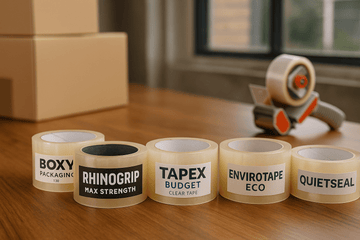
Why Choosing the Right Packing Tape Matters
When it comes to shipping, moving, or storing anything in a cardboard box, most people don’t think twice about the tape they’re using. But ask anyone who’s had a box pop open in transit or arrive damaged, and they’ll tell you—the quality of your packing tape matters. Choosing the right tape can mean the difference between a package arriving safely or becoming a customer service nightmare.
Bad tape isn't just a nuisance. It can lead to damaged goods, increased returns, poor first impressions for your brand, and even safety issues when handling large boxes. For small eCommerce businesses especially, every box that fails in transit can be a direct hit to your reputation and profits.
The stakes are even higher if you’re moving house or handling fragile or high-value items. A low-quality tape might peel off under temperature changes, humidity, or even just from stacking. That’s why investing in a good roll of clear packing tape isn’t just practical—it’s essential.
Clear packing tape is the most commonly used tape for sealing cardboard boxes in Australia. But here’s the thing: not all tapes are created equal. Some are too thin, others don’t stick properly, and many are noisy, wasteful, or hard to use with dispensers.
With so many options on the market, how do you pick the best one for your needs? Whether you're an eCommerce store owner, a warehouse manager, or someone about to move across the country, choosing the right packing tape is crucial for peace of mind.
Key Features to Look for in Clear Packing Tape
Tape Strength and Micron Thickness
When you’re browsing for packing tape, one number you’ll often see is “micron.” This refers to the thickness of the tape, and it directly impacts how strong and durable it is. In basic terms: the higher the micron, the tougher the tape.
-
Standard tape: Around 45 microns – suitable for lightweight boxes and short-distance shipping.
-
Medium-duty tape: 50–55 microns – good for general use, including moving house or eCommerce shipping.
-
Heavy-duty tape: 60+ microns – ideal for heavy boxes, bulk packaging, and long-haul shipping.
Here’s why this matters: If your tape is too thin (under 45 microns), it may not adhere well or may tear when applied. On the flip side, thicker tape provides a more secure seal and resists splitting, even on rough or recycled cardboard.
Also consider the tape's tensile strength—its ability to resist breakage when pulled. Higher strength tapes hold better, stretch less, and are more reliable in fluctuating temperatures. If your boxes are going across Australia’s outback or through refrigerated delivery, this becomes even more important.
Always check the micron rating and choose according to your specific use case. Don’t go for the cheapest option—go for the one that won’t let you down.
Roll Length and Cost-Effectiveness
It might seem like a minor detail, but roll length can drastically affect both cost and convenience. Most clear packing tapes in Australia come in lengths ranging from 50 meters to 150 meters, and some go even longer.
-
Short rolls (50–75m): These are fine for light household use or occasional packing, but you’ll burn through them quickly in a business setting.
-
Standard rolls (100–120m): A good balance for regular users or small businesses.
-
Long rolls (150m+): The best choice for warehouses, large-volume packers, or anyone who doesn’t want to keep swapping out rolls.
The key to evaluating cost-effectiveness is to look beyond the sticker price. Instead, calculate the price per meter. For example:
-
Roll A: $2.50 for 50m = $0.05 per meter
-
Roll B: $5.00 for 150m = $0.033 per meter
Even though Roll B is more expensive up front, it gives you more value in the long run.
Also consider packaging waste. Fewer roll changes mean less waste, less downtime, and fewer core tubes to dispose of—great for both efficiency and the environment.
If you're running a warehouse or online store, those few cents saved per roll add up fast over hundreds or thousands of boxes shipped.
Adhesion Quality on Cardboard
Here’s a frustration every packer knows: you tape a box shut, and five minutes later, the flap starts to peel open. The culprit? Poor adhesive quality.
Adhesion matters more than you think—especially when dealing with recycled or low-grade cardboard. These materials are more porous and fibrous, making it harder for low-tack tape to stick reliably.
Look for tapes with strong hot melt or acrylic adhesives:
-
Hot melt adhesive: Fast-grabbing, excellent for sealing quickly in cold or humid environments. Great for moving or cold storage.
-
Acrylic adhesive: Offers long-term stickiness and UV resistance. Ideal for boxes stored for long periods.
Also consider how the tape performs over time. Good quality tape should bond firmly but not become brittle or yellow over months in storage. It should also maintain its grip whether it’s 5°C in Melbourne or 35°C in Darwin.
If you’re sealing a mix of recycled and new boxes, go for a tape designed to work well on multiple surfaces. Don’t assume all tapes stick equally—it’s worth testing a roll before buying in bulk.
Silent vs. Noisy Unwind
If you’ve ever packed up boxes late at night or worked in a small office, you already know how annoying noisy tape can be. That screeching sound when you pull a strip of tape? It’s called “unwind noise,” and it can drive you and everyone around you nuts.
Silent tapes, also known as low-noise tapes, are designed to dispense smoothly and quietly. They’re ideal for:
-
Office environments
-
Night-time packing
-
Shared workspaces
-
Home-based businesses
Standard tapes can be extremely loud, especially if they have a plastic-like, rigid film. While these might be slightly cheaper, they’re less pleasant to use and may also indicate lower quality.
Look for tape rolls marked as “low noise” or “silent” unwind. You’ll often see these paired with silent dispensers for the full quiet package.
Trust us—your ears (and coworkers) will thank you.
Dispenser Compatibility
Here’s something most people don’t think about until it’s too late: not all tape rolls fit all dispensers. And there’s nothing more frustrating than a roll that won’t spin or dispense properly.
Most clear packing tapes in Australia come in standard 75mm core sizes, which fit most handheld dispensers. But some longer rolls or specialty tapes might require a larger or custom dispenser.
When choosing your tape, check:
-
Core diameter (usually 75mm is standard)
-
Roll width (48mm is the most common)
-
Dispenser blade type (some are serrated for easy cutting)
Make sure your dispenser is compatible—especially if you’re buying in bulk or planning to upgrade your equipment. Also, consider tape loading ease—some dispensers make it ridiculously tricky to load or cut tape, which slows down the packing process.
The best setup? A universal dispenser paired with a silent tape roll. Fast, efficient, and frustration-free.
Best Clear Packing Tape by Use Case
For this 2026 update, the comparison starts with published specifications rather than unsupported brand rankings. Check tape width, roll length, film thickness, core diameter, pack quantity, adhesive information and any documented storage limits before buying.
Best all-round option for ecommerce and moving
For routine shipping cartons and moving boxes, 48mm clear tape around 50 to 52 microns gives a practical balance of coverage and handling. Boxy's 150m clear packing tape is supplied as five 48mm-wide, 52-micron rolls with a 76mm core.
Best for heavy or high-risk cartons
For unusually heavy cartons, rough recycled board or long storage periods, compare documented tensile strength, adhesive type and temperature range as well as thickness. Test the tape on the actual carton before committing to a bulk order.
Best value for high-volume packing
Compare cost per metre rather than cost per roll. Longer rolls can reduce roll changes at a busy packing bench, while pack quantity and freight cost affect the true landed price.
Best for quiet workspaces
If unwind noise matters, choose only tape that the supplier explicitly identifies as low-noise or silent. Confirm the roll width and core diameter fit your dispenser before buying.
Best for sustainability requirements
Check the supplier's documented film, adhesive, core and disposal guidance. Terms such as recyclable, biodegradable and compostable describe different outcomes and should be supported by product-specific information.
Where to Buy Packing Tape Online in Australia
Choose a supplier that clearly publishes tape width, roll length, micron thickness, core size and pack quantity. Those specifications make it easier to compare value and confirm the tape will suit your cartons and dispenser.
- Browse packing tapes for shipping, moving and warehouse use.
- Match tape with a compatible dispenser or tape gun.
- Choose packing boxes for a complete carton-sealing setup.
For a deeper technical comparison, read packing tape types, microns and best uses in Australia.
FAQs About Clear Packing Tape
You’ve read the reviews, compared specs, and maybe even picked out a favorite. But before you click “Buy Now,” here are some commonly asked questions about clear packing tape—answered to help you make a smarter purchase.
What Thickness is Best for Shipping Boxes?
The ideal tape thickness depends on what you’re shipping and how far it’s going. Here's a quick guide:
-
45 microns or below: Best for lightweight parcels, short-distance shipping, or temporary storage.
-
50–52 microns: The sweet spot for eCommerce packaging, home moves, and standard freight. It balances strength and flexibility, and works well on most cardboard types.
-
60+ microns: Heavy-duty jobs. Think industrial packing, long-term storage, or bulky/heavy shipments.
If you’re an online seller shipping dozens of packages a week, go for 50–52 microns. For moving house, especially with heavy kitchenware or books, something above 50 microns adds that extra peace of mind. Always test a roll before scaling your order.
Can I Use Clear Tape for Moving House?
Absolutely—clear packing tape is ideal for moving, as long as it’s the right kind.
When you’re packing up your home, you’re not just boxing light items like clothes. You’re taping up dishes, books, decor, tools, electronics—stuff that gets heavy quickly. The last thing you want is for a bottom flap to burst open while you’re carrying it.
Tips for using clear tape for moving:
-
Choose a minimum 50-micron thickness
-
Go for a hot melt adhesive that grips strong and fast
-
Use a tape gun dispenser to save time and effort
-
Apply two strips across the bottom seam, plus one perpendicular for extra strength
Also, consider buying long rolls (100–150m) so you’re not constantly swapping out in the middle of a packing sprint. And if you’re moving in or out of an apartment, silent unwind tape can spare you a few noise complaints.
How Many Rolls Do I Need for Bulk Packing?
This depends on what you’re packing, how many boxes, and the size of your boxes. But here’s a simple rule of thumb:
One standard 100m roll seals about 25–35 medium boxes (50x40x30cm), using three strips per box (two on the bottom, one on the top).
So if you’re packing:
-
50 boxes: 2–3 rolls
-
100 boxes: 4–5 rolls
-
500 boxes (small warehouse or eCommerce): 15–20 rolls (or better yet, a bulk pack of 150m rolls)
Other factors to consider:
-
Box quality: Old/recycled boxes may need extra tape
-
Tape width: 48mm is standard, but if you’re using a thinner roll, you might need more strips
-
Double-taping: If you're double-taping seams or using “H” seals, plan for 20–30% more usage
If in doubt, always order a little extra—nothing’s worse than running out of tape mid-shift or mid-move.
Conclusion
Choosing the best clear packing tape in Australia isn’t just about what’s cheapest or what’s available at your local store. It’s about finding a tape that suits your specific needs—whether you're running an eCommerce shop, preparing for a big move, or just organizing storage at home.
To recap:
- Use 48mm tape around 50 to 52 microns for routine ecommerce cartons and moving boxes.
- Compare documented strength, adhesive and temperature limits for heavy or high-risk cartons.
- Calculate value per metre and include pack quantity and freight in the comparison.
- Confirm roll width and core diameter match the intended dispenser.
- Require product-specific evidence for low-noise or environmental claims.
With dozens of options and features to consider—from thickness to adhesive type to unwind noise—you now have all the knowledge you need to buy with confidence.
FAQs Recap
-
What thickness is best for shipping boxes?
Go for 50–52 microns for most uses; 60+ for heavy-duty jobs. -
Can I use clear tape for moving house?
Yes, especially if it's 50 microns or thicker with a strong adhesive. -
How many rolls do I need for bulk packing?
One 100m roll can seal 25–35 boxes. Plan accordingly. -
Where can I buy quality packing tape in Australia?
Buy from a supplier that publishes width, roll length, micron thickness, core size and pack quantity. -
Is there eco-friendly packing tape available?
Yes. Check the supplier's documented film, adhesive and disposal guidance instead of relying on an unverified eco label.